Decoding Chocolate Liqueur
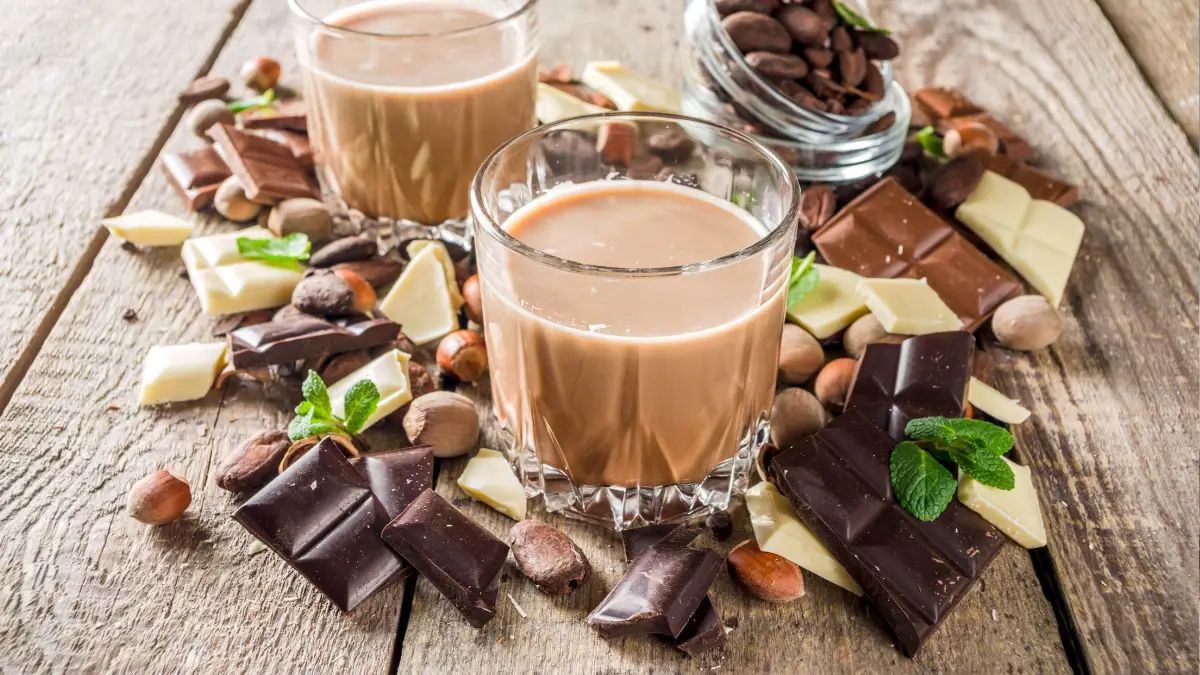
Understanding chocolate liqueur means recognizing its diversity—some are cream-based like Mozart’s Dark Chocolate Cream, while others, such as Godiva’s chocolate liqueur, highlight pure cocoa notes with a velvety finish. Pay attention to cocoa percentage and added ingredients; higher cocoa content intensifies bitterness and depth, while infusions like vanilla or chili can add surprising complexity. Packaging can also hint at style—a frosted bottle often signals a richer, dessert-like sip, whereas sleek, minimalist designs might target mixologists seeking versatility. Sniff and sip cautiously, noting sweetness, texture, and aroma to find your perfect chocolate companion.
Key Takeaways:
- Chocolate liqueurs come in a variety of styles, from rich and creamy to dark and intense, making them incredibly versatile for sipping straight, mixing in cocktails, or enhancing desserts.
- There are plenty of fun recipes to try—from classic treats like chocolate martinis to creative twists that blend fruit or spices, so don’t hesitate to experiment and find your favorite flavor combos.
- When picking a brand, consider what fits your taste preferences and how you plan to use it—some are perfect for cooking, while others shine best on their own or in cocktails, making your drinking experience that much more enjoyable.
Exploring Varieties: Creamy Indulgence vs. Clear Delights
Chocolate liqueurs come in two main styles that suit different palates and uses: the rich, velvety cream-based versions and the bright, clear types that highlight pure cocoa flavors. You might find yourself reaching for a creamy liqueur when crafting luscious desserts or a straightforward chocolate tipple for cocktails needing a lighter touch. Understanding how these two categories differ allows you to select the right bottle to complement your mood, recipe, or pairing.
The distinction between cream-based and clear liqueurs
Cream-based chocolate liqueurs blend cocoa with dairy to create a smooth, thick texture and sweet, mellow flavor, perfect for sipping or mixing into creamy cocktails. In contrast, clear chocolate liqueurs emphasize pure chocolate essence without added cream, resulting in a lighter body and sharper cocoa notes. This makes the clear versions more versatile as mixers for drinks where you don’t want to overwhelm other ingredients or add extra heaviness.
Adventurous flavors that elevate the experience
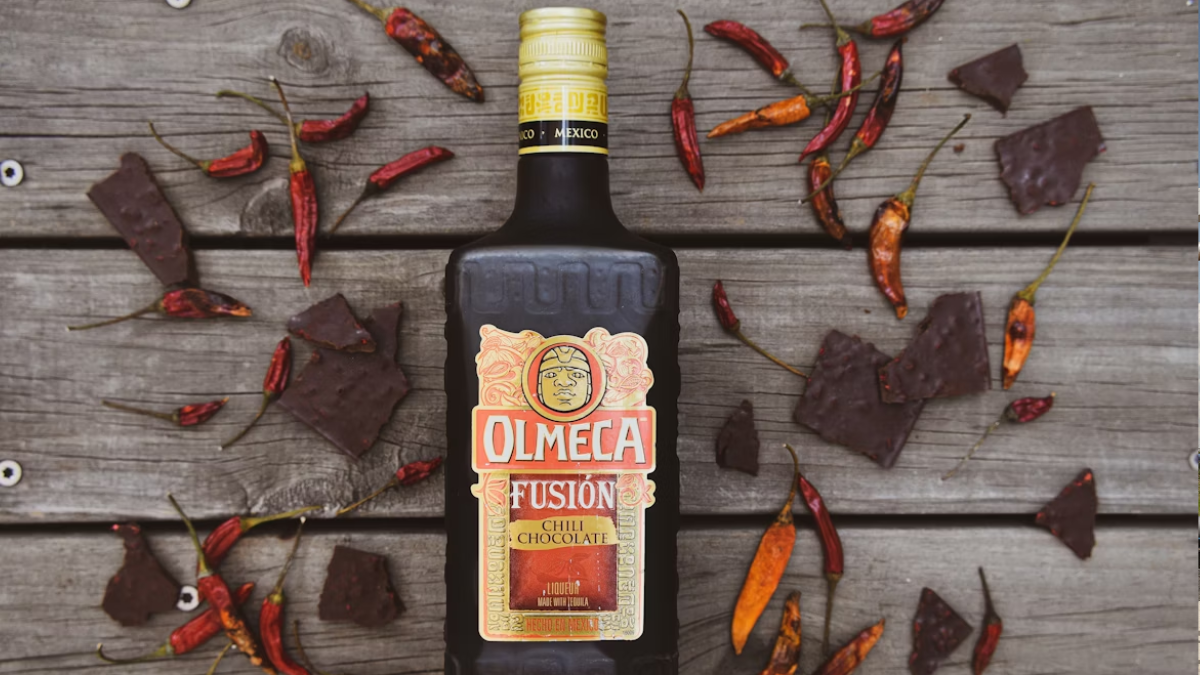
Beyond traditional chocolate, many liqueurs incorporate innovative flavor infusions—think hints of chili for a spicy kick, coffee undertones to deepen richness, or even exotic spices like cardamom and lavender. These adventurous notes elevate your tasting experience, offering complexity and new dimensions that standard chocolate liqueurs might not provide.
Spiced chocolate liqueurs, such as those with cinnamon or nutmeg, add warmth that complements cold winter cocktails, while coffee-infused varieties echo the popular mocha flavor, making them a favorite for late-night sippers. Some craft producers experiment with fruity infusions—orange zest or raspberry extracts—that brighten the chocolate’s earthiness. Delving into these bold combinations can transform how you approach chocolate liqueurs, opening doors to flavorful pairings and unique cocktail creations beyond the classic recipes.
The Craft of Creation: How Chocolate Liqueur Comes to Life
The magic behind chocolate liqueur lies in the harmonious balance between quality ingredients and time-honored techniques. Each bottle embodies a journey from bean to bottle, blending cocoa’s rich essence with spirits to achieve that luscious, velvety finish you love. This craft demands patience and precision—every step, from selecting the right cocoa beans to mastering the infusion, influences flavor depth and smoothness. Understanding these details not only deepens your appreciation but also lets you spot brands that truly honor the art behind your favorite indulgence.
Key ingredients and their roles
High-quality cocoa beans set the foundation, delivering that unmistakable chocolate intensity. Alongside these, sugar adds sweetness and balance, while the chosen spirit—often vodka, rum, or brandy—carries the flavors and provides alcohol warmth. Cream or milk sometimes enriches texture, turning the liqueur into a silky delight. Each element contributes uniquely: cocoa offers bitterness and aroma, sugar softens edges, and the spirit underscores complexity. Knowing this lets you taste-test more discerningly, identifying nuances specific to each brand’s recipe.
The intricate process of infusion, blending, and bottling
Infusion starts by soaking cocoa solids or extract in spirit, allowing flavors to meld over days or weeks. Artisan producers might gently heat mixtures to extract richer notes without evaporating precious aromas. Blending follows, where master blenders adjust sweetness, alcohol content, and creaminess, crafting a balanced profile. Finally, careful bottling preserves freshness and prevents oxidation—some even use vacuum sealing for optimal shelf life. This meticulous orchestration makes all the difference between a flat taste and a decadent experience.
Diving deeper, producers often use temperature-controlled tanks to keep infusion consistent, sometimes stirring daily to ensure even flavor extraction. The blending phase can include precise measurements using refractometers and alcohol meters, guaranteeing each batch meets exact standards. Once bottled, liqueurs might age briefly, allowing components to marry fully before hitting the shelves. This patience and control highlight why some small-batch chocolate liqueurs stand apart in both flavor complexity and smoothness.
Luxurious Sips: Mastering the Enjoyment of Chocolate Liqueur
Discovering how to enjoy chocolate liqueur elevates your experience beyond just tasting it. Whether you’re savoring it straight or pairing it with complementary flavors, each sip reveals layers of complexity—from velvety cocoa to subtle spice notes. Embracing different temperatures and serving styles can unlock new dimensions, inspiring your palate and making every drink feel like a special occasion. Let your taste buds explore nuances by adjusting the chill or trying it alongside festive or mellow accompaniments tailored to your mood and setting.
Serving suggestions: neat, on ice, or elegantly mixed
Serving chocolate liqueur neat offers you the purest expression of its aroma and taste, allowing the richness to linger slowly. Experiencing it on ice softens intensity and refreshes the palate, perfect for warmer evenings. When mixed, chocolate liqueur partners beautifully with coffee, cream, or vanilla vodka to create indulgent cocktails like the classic Chocolate Martini or a decadent White Russian twist. Experimenting with these options helps you tailor the texture and flavor intensity to your own preferences.
Culinary creativity: dessert toppings and baking partners
Using chocolate liqueur as a topping transforms desserts, adding a glossy, luscious finish to ice creams, panna cottas, and fresh fruits. It also shines as a secret ingredient in batters and frostings for cakes and brownies, infusing baked goods with deep chocolate complexity and a hint of warmth. Try drizzling it over warm chocolate soufflés or mixing into ganache for a richer, boozy flair, instantly elevating your homemade creations into gourmet treats.
When you incorporate chocolate liqueur into cooking, it goes beyond simple flavor enhancement—it acts as a binding agent that deepens textures and enriches profiles. For example, blending a splash into chocolate mousse balances sweetness with a spirited kick, while adding it to cookie dough can create subtle, sophisticated undertones that surprise the palate. Experiment with layering tastes by pairing it alongside espresso or nuts, crafting mouthwatering desserts that linger long after the last bite. This playful yet refined use broadens your culinary horizon and invites creativity in the kitchen.
Must-Try Brands for the Aficionado
If you’re keen to elevate your chocolate liqueur experience, exploring some standout brands will take you further. Look for offerings like Patrón XO Cafe Dark Cocoa, which combines top-shelf tequila with deep cocoa notes, or Mozart Chocolate Liqueur, known for its silky texture and intense Belgian chocolate flavors. Brands such as Kahlúa Mocha and Baileys Chocolate Cherry add unique twists, blending coffee and cherry undertones with classic chocolate. Tracking down limited-edition or artisanal liqueurs, including those focusing on single-origin cacao, often rewards you with complex flavors that sophisticated palates appreciate. These selections serve not just as ingredients but memorable sips on their own.
Curated reviews of top chocolate liqueurs
Sampling a variety of brands reveals fascinating contrasts: Mozart Dark Chocolate captivates with its rich, dark cocoa and subtle vanilla, great for sipping neat. Meanwhile, Tequila Café Caramelo harnesses agave sweetness complemented by milk chocolate, perfect in creamy cocktails. For a bold and spicy edge, Delamain Chocolat’s blend of bittersweet chocolate and warming spices stands out. Each liqueur’s smoothness, sweetness balance, and intensity shape your cocktail or dessert differently, so trying small bottles from reliable producers quickly highlights what aligns with your taste and intended use.
Flavor profiles and where to find them
Chocolate liqueurs range from velvety sweet creams to dry, bitter dark chocolates infused with hints of coffee, orange, or even chili. You can discover these nuanced profiles in well-stocked liquor stores, boutique shops specializing in artisanal spirits, or online platforms that provide detailed tasting notes and customer feedback. Seasonal releases often showcase unique pairings, like caramel and sea salt or raspberry and white chocolate, broadening your palate beyond the basics.
Diving deeper into flavor sources, European chocolates—particularly Belgian and Swiss—commonly influence premium liqueurs, offering smooth, refined chocolate characteristics. American craft distilleries are experimenting with local cacao, introducing fresh and sometimes wild flavors. Urban markets in major cities often carry rare imports, while online retailers enable you to access a global selection. Exploring various sellers allows you to snag small-batch editions or limited runs that introduce unexpected spice or berry notes alongside traditional cocoa richness. Matching these flavors with your planned preparations helps you maximize the liqueur’s unique contributions to your drinks and desserts.
Harmonizing Flavors: Perfect Pairings for Chocolate Liqueur
You’ll find that pairing chocolate liqueur isn’t just about matching sweetness; it’s about enhancing complexity and depth. Combining it with foods that either complement its creamy, velvety texture or contrast its richness amplifies the tasting experience. Think beyond traditional pairings, and you’ll discover how different ingredients unlock new layers of flavor, making each sip more memorable. The subtle bitterness in dark chocolate liqueur, for example, shines when paired with something bright or crunchy, while creamier versions excel alongside soft, decadent desserts. These intentional pairings help you explore chocolate liqueur’s full potential.
Dessert pairings that take it to the next level
Classic chocolate desserts like molten lava cake or chocolate mousse work beautifully with chocolate liqueur, but you can push boundaries by pairing it with spiced apple tart or chili-infused brownies. The warm spices and fruity notes create unexpected depth, making each bite and sip interact in exciting ways. For creamy liqueurs, try drizzling over vanilla bean panna cotta or pairing with a rich cheesecake for a luscious finish. These desserts provide the right balance of sweetness and texture to elevate your chocolate liqueur experience.
Surprising fruits and cheeses that complement the richness
Creamy chocolate liqueur finds intriguing partners in fruits like ripe figs, tart raspberries, or succulent cherries, which cut through its richness and add freshness. Unexpectedly, cheeses such as aged Gouda and blue cheese create a savory-sweet interplay that enhances the overall flavor. These combinations provide a sophisticated twist, turning your tasting into a refined experience that balances sweet, salty, and tart notes in delightful harmony.
Delving deeper, ripe figs with their honeyed sweetness and chewy texture offer a magnificent contrast to smooth chocolate liqueur, lifting its dense creaminess. Raspberries bring bright acidity, refreshing your palate between sips. On the cheese front, try pairing a sharp aged Gouda with chocolate liqueur—it introduces nutty, caramel undertones that complement the liqueur’s cocoa notes. Blue cheese, with its pungent saltiness, surprisingly heightens the chocolate’s richness and rounds out the flavors for a mesmerizing balance that true connoisseurs appreciate.
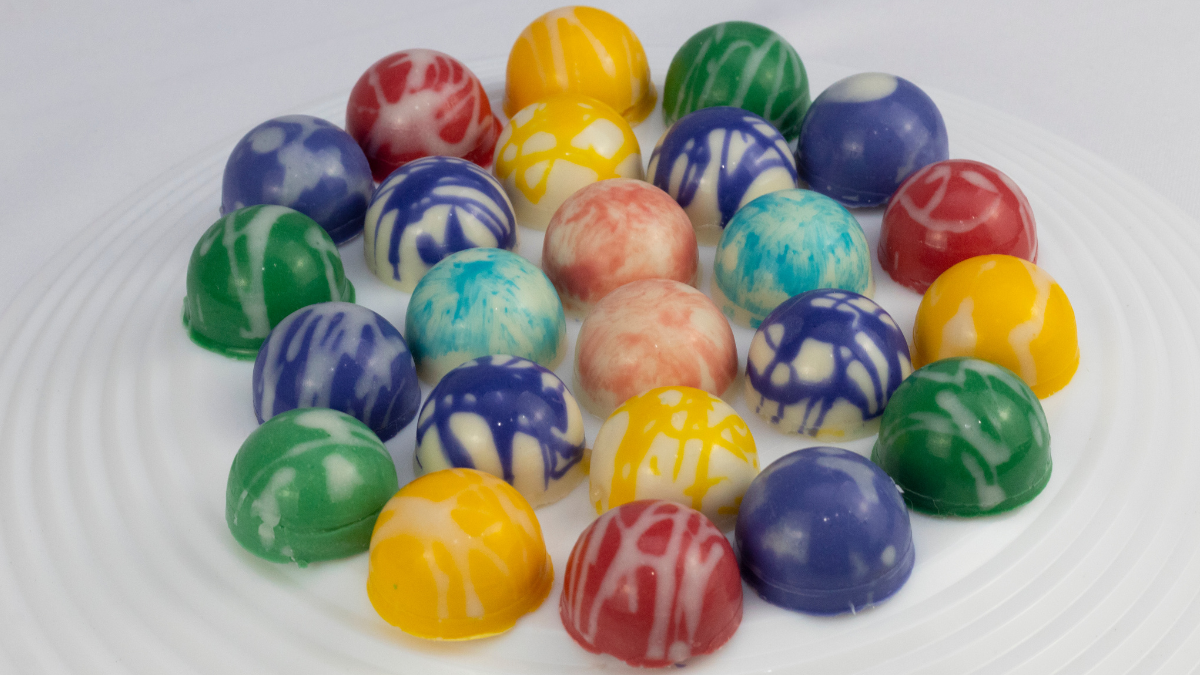
The Crucial Difference: Chocolate Liqueur vs. Chocolate Liquor
You might find the terms “chocolate liqueur” and “chocolate liquor” tossed around interchangeably, but they’re worlds apart. Chocolate liqueur is an alcoholic beverage infused with chocolate flavors, often sweetened and sometimes creamy, perfect for sipping or mixing in cocktails. Chocolate liquor, on the other hand, is pure liquid chocolate made by grinding cacao nibs—free of added alcohol or sugar. Understanding this distinction helps you pick the right ingredient whether you’re crafting a dessert or mixing a drink, avoiding costly mix-ups at the store or in your recipes.
Misconceptions: clearing the air
Many assume chocolate liquor contains alcohol because of its name, but it’s simply the unprocessed chocolate in liquid form. Conversely, chocolate liqueur has alcohol but usually much less intense cocoa flavor since it’s diluted with sugar, cream, or spirits. Confusing these can throw off a recipe’s texture or taste, especially in desserts where the bitterness of pure cocoa liquor plays a different role than the sweet warmth of liqueur. Knowing what each brings to the table gives you the edge in your culinary experiments.
Clarity on usage across culinary applications
Chocolate liquor serves as the foundation in baking and chocolate making, adding deep cocoa intensity without altering alcohol content, while chocolate liqueur is your go-to for cocktails, desserts, or drizzling—adding flavor plus a boozy kick. For example, ganache works best with chocolate liquor thanks to its purity, but a splash of chocolate liqueur can beautifully enhance a chocolate martini or mousse. Balancing these ingredients according to your dish’s end goal transforms your cooking and cocktail crafting.
Diving deeper, chocolate liquor is ideal for use in recipes where you want the pure essence of chocolate without altering the texture or moisture levels, like brownies or chocolate bars. In contrast, chocolate liqueur introduces both sweetness and alcohol, which can thin sauces or add complexity to ice creams and tiramisu. When baking, swapping one for the other isn’t a straight tradeoff: chocolate liquor intensifies chocolate flavor, whereas liqueur enriches aroma and sweetness, so you’ll want to adjust sugar and liquid amounts accordingly to keep your creations balanced and delicious.
Preserving Perfection: Storage and Shelf Life Essentials
Storing chocolate liqueur properly keeps its flavors vibrant and aromas inviting, allowing you to enjoy each pour at its best. While alcohol content provides some preservation, temperature, light exposure, and air can all impact quality over time. A cool, dark spot away from direct sunlight helps extend shelf life without diminishing those luscious cocoa notes or silky textures. Understanding how to care for your bottle unlocks the full potential of every indulgent sip.
Best practices for storage at home
Place your chocolate liqueur in a cupboard or cellar where temperatures hover around 55–65°F (13–18°C) to prevent flavor loss or cloudiness, especially for cream-based varieties. Keep the bottle upright to minimize oxidation and tighten the cap immediately after use to preserve aroma. Avoid storing near heat sources or in the fridge for clear liqueurs, as chilling can dull their brightness. Following these simple steps supports the liqueur’s optimal texture and taste for months or even years.
Tell-tale signs of freshness and longevity
Look out for changes in color, clarity, and smell to gauge whether your chocolate liqueur has maintained its integrity. Creamy liqueurs may separate or develop a grainy texture when past their prime, while clear ones might turn cloudy or lose their vibrant hues. If a sharp off-odor or sour note emerges, it signals the liqueur’s flavors are deteriorating. Keeping an eye on these subtle shifts helps you decide when it’s time to savor or retire your bottle.
Beyond just visual and olfactory cues, checking the bottle’s taste can confirm freshness. A smooth, balanced sip with deep cocoa and sweetness indicates the product remains pristine. Conversely, bitterness or flatness reveals flavor degradation. The alcohol percentage, usually between 15-30%, acts as a preservative but doesn’t grant immortality; standard shelf life ranges from 1 to 3 years after opening. Creamy versions typically have a shorter lifespan, so enjoying those sooner ensures the rich, velvety mouthfeel stays intact.
Savvy Shopping: Where to Source Chocolate Liqueur
Finding quality chocolate liqueur that matches your taste and budget is easier than you might think. Specialty liquor stores often stock a diverse range, from well-known brands to craft distillers’ creations. Exploring options beyond the usual supermarkets opens up possibilities for unique flavors and limited edition bottles. Checking out online marketplaces also allows you to compare prices and access user reviews, which can guide you toward your next favorite bottle. Keep an eye out for seasonal offers or gift sets that offer great starter packs if you’re branching out into chocolate liqueurs for the first time.
Top online retailers and local options
Amazon and Drizly land near the top for convenience and variety, with hundreds of chocolate liqueur brands just a click away. Local liquor stores can surprise you, too; many pride themselves on curated selections of artisanal spirits. You’ll often find rare finds and expert advice from knowledgeable staff, making your shopping experience personalized. Using apps that locate your nearest stores carrying desired bottles saves time and effort. Plus, ordering online from specialty retailers like Master of Malt or The Whiskey Exchange offers limited-edition labels and international brands you won’t see on every shelf.
Special finds in duty-free venues
Airport duty-free shops carry exclusive chocolate liqueur bottles that rarely hit the general market, including travel-retail-only editions and premium brand collaborations. These venues often present limited quantities of high-end liqueurs, making them a jackpot for collectors or gift-seekers. Picking up a bottle at duty-free adds an element of discovery to your trip—perfect for trying something unique or snagging a premium bottle at a competitive price.
For example, certain brands like Godiva or Giffard produce special duty-free variants featuring unique packaging or flavors that celebrate the international traveler’s palate. Duty-free shops in airports such as Dubai, Heathrow, or Singapore Changi often rotate their stock seasonally, giving you a chance to uncover one-off flavors or collector’s editions. The tax-free advantage means you might save a good 10-30% compared to regular retail prices, which feels like a treat alongside the chocolate indulgence itself.
Final Thoughts: Is Chocolate Liqueur a Worthy Addition to Your Collection?
If you enjoy experimenting with cocktails or simply appreciate indulgent after-dinner sips, chocolate liqueur offers a nuanced, flavorful component to enrich your home bar. Whether you opt for a creamy, velvety option like Mozart’s Dark Cream or a clear, intense version such as Bols Cacao, these liqueurs can elevate classic drinks and inspire new recipes. Their pairing versatility—ranging from whiskey to espresso—means you can always find a tasty match. Considering that some artisanal brands age their chocolate spirits for months, investing in quality liqueurs adds both depth and sophistication to your collection.
Q: What are the different types of chocolate liqueur, and how do they vary in flavor?
A: Chocolate liqueur comes in several delightful varieties, each bringing its own unique twist to the chocolate experience. Generally, you’ll find cream-based chocolate liqueurs that blend rich cream with chocolate, offering a smooth, velvety texture—perfect for sipping or mixing into creamy cocktails. Then, there are darker, more intense versions made with cocoa or dark chocolate extracts, which tend to have a deeper, bittersweet profile. Some chocolate liqueurs also incorporate hints of vanilla, coffee, or other spices to add complexity. The sweetness level can vary as well, so you can pick one that suits your palette, whether you want something more indulgent or something lighter and more balanced.
Q: Can you suggest some easy recipes using chocolate liqueur that I can try at home?
A: Absolutely! Chocolate liqueur is a fantastic ingredient for creating tasty treats and cocktails with minimal fuss. One classic is the Chocolate Martini—just mix chocolate liqueur, vodka, and a splash of cream, then shake with ice and strain into a chilled glass. If you prefer something warm and cozy, try adding a shot of chocolate liqueur to your coffee or hot chocolate for a grown-up twist. For dessert lovers, drizzling chocolate liqueur over vanilla ice cream or folding it into whipped cream makes a quick and delicious topping. These recipes are straightforward and perfect for experimenting with flavors in the comfort of your kitchen.
Q: What are some recommended food pairings that enhance the taste of chocolate liqueur?
A: Pairing chocolate liqueur with the right foods can really elevate the tasting experience. Think about complementing the rich, sweet notes of chocolate with foods that either balance or echo those flavors. Fresh berries like raspberries or strawberries work beautifully, their bright acidity cutting through the richness. Nutty treats—almonds, hazelnuts, or even walnuts—add a lovely crunchy contrast that pairs well with creamy chocolate liqueur. For something heartier, cheeses such as aged gouda or blue cheese create an intriguing flavor interplay. Lastly, desserts that contain chocolate, such as brownies or chocolate mousse, naturally marry with the liqueur and amplify the decadence.