Why it draws you in
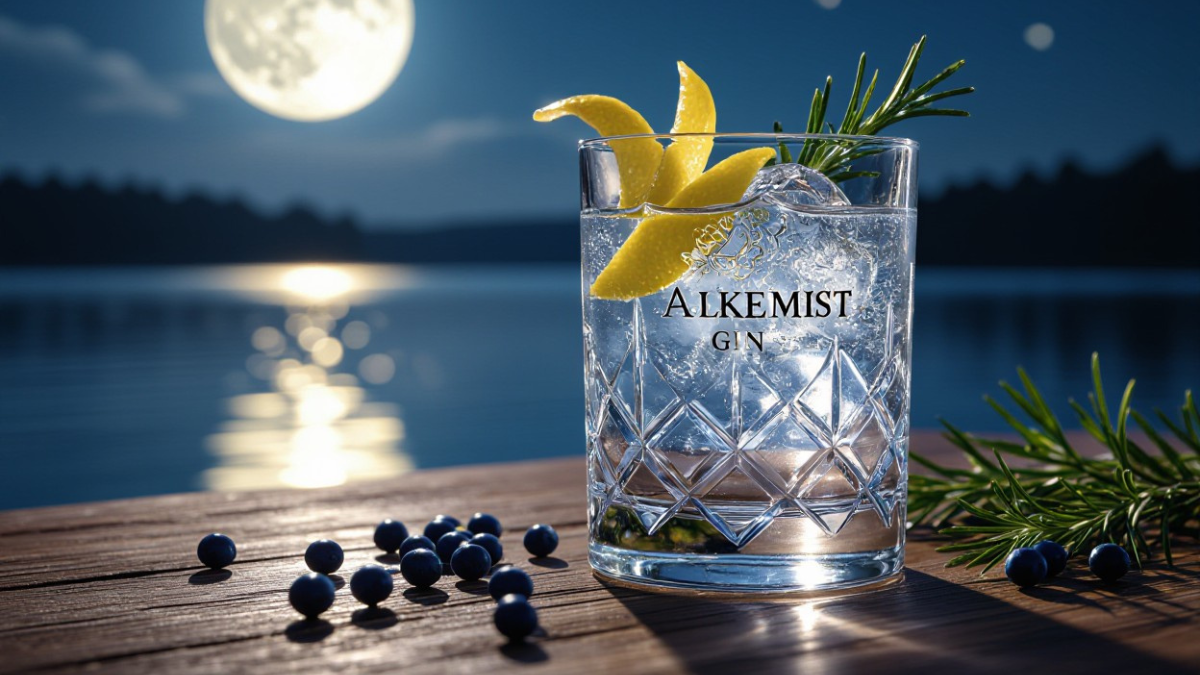
You’ll be drawn by the ritual as much as the taste: distilled only under the full moon—every ~29.5 days—so each batch carries a precise lunar timestamp. Small-batch, hand-gathered botanicals (juniper, citrus peel, local coastal herbs) are steamed in copper pot stills, producing a silkier mouthfeel and a floral-citrus finish that bartenders cite for elevated Negronis and sours. Try it neat at 10–12°C to catch the layered botanicals, or in a 2:1 gin-to-sweet vermouth Martinez to highlight its nocturnal complexity.
Key Takeaways:
- Alkkemist markets itself as the world’s first gin distilled during the full moon, using lunar-timed batches to create a ritual-driven production story that sets it apart.
- It delivers a nuanced botanical character—balanced and approachable—so it works well both in classic gin cocktails and sipped neat when you want something a bit different.
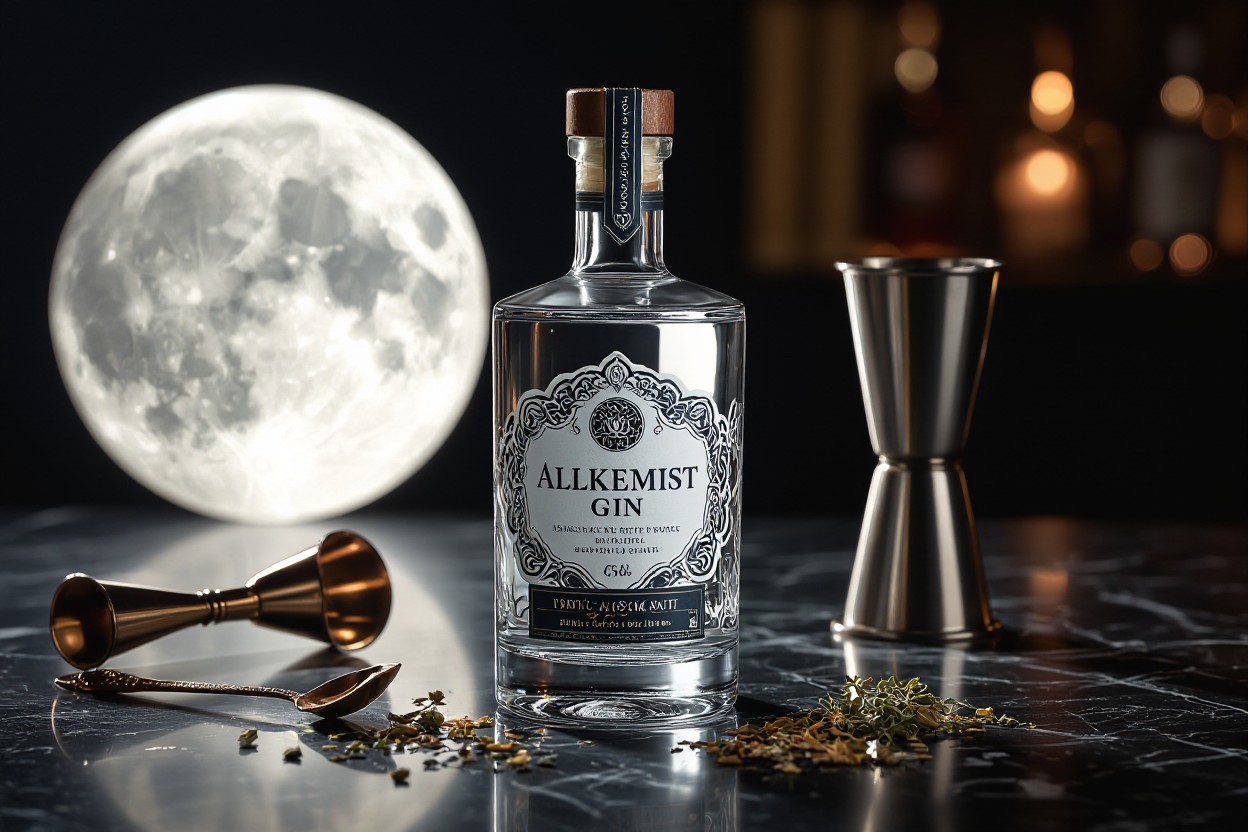
- Made in small batches with an artisanal focus, the brand leans into storytelling and distinctive packaging, making the bottle as much a conversation piece as the spirit inside.
A Distinctive Spirit: The Essence of Alkkemist Gin
You meet a juniper-forward base that still lets Mediterranean botanicals sing—lemon peel, rosemary and a hint of coastal minerality—because Alkkemist times its small-batch runs to the full moon, about 12–13 times a year. You’ll notice a drier finish with lifted florals and a clear botanical separation that gives you both classic gin structure and a distinct lunar-marketed character in every cork-sealed batch.
Roots in Mediterranean Craftsmanship
You can trace the spirit’s profile to regional techniques: hand-selected local herbs, gentle cold maceration of citrus peels, and copper pot stills that preserve volatile aromatics. Producers in the region often lean on rosemary, thyme and sun-ripened citrus to create a savory-citrus backbone, so when you sip Alkkemist you’re tasting a blend of juniper tradition and Mediterranean terroir translated through careful, artisanal methods.
A Ritual of Mystique: The Full Moon Tradition
You experience the ritual in timing as much as in taste—distillers schedule maceration and spirit cuts around the full moon, which repeats every ~29.5 days, yielding roughly 12–13 lunar-distilled batches annually. That cadence creates seasonal snapshots: each full-moon run captures slightly different herb expressions, so you’ll often find distinct aromatic notes tied to the month of the moon.
You’ll also see the ritual reflected in production and release: batches are labeled by moon date, small-release runs build collector interest, and the distillery sometimes hosts full-moon tastings where you can compare consecutive lunar batches side-by-side. Practical impacts include altered timing for infusion and cuts—often moved by hours or days to coincide with the lunar phase—so when you attend a tasting you can judge whether the lunar timing truly sharpens brightness, softens the spirit edge, or simply adds narrative to an otherwise fine-crafted gin.
The Art of Distillation: Crafting Luxury in Every Drop
You marry lunar timing with slow, small-batch technique: 100–300 L pot runs that typically take 6–8 hours, careful heads-and-tails cuts and gentle reflux to preserve citrus and floral esters. You aim for a polished 42% ABV bottling strength, use copper contact and low-temperature condensers for silky texture, and tune run size, cut points and cooling rates so each bottle reflects the same refined profile born from full-moon nights.
Limited Lunar Opportunities: The Full Moon Cycle
The full moon returns every ~29.53 days, giving you only 12–13 authentic full-moon distillation nights each year and a narrow 24–36 hour window around peak illumination. You coordinate staff, raw-material deliveries and inventory tightly; limited runs compress production and raise cost-per-bottle, but that scarcity supports collectibility and forces uncompromising attention to timing and quality.
Precision in Selection: Grain Base and Botanical Harmony
You choose a grain bill to define mouthfeel — often a high-fermentable winter wheat base with 20–30% malted barley for enzymatic support — then build a 12–15 botanical palette around a dominant juniper backbone with citrus peels, orris and warming spices. You macerate botanicals 12–24 hours and set distillation proof and cut points to prioritize citrus esters and orris-driven floral clarity.
In bench trials you quantify outcomes: on a 200 L run you might use 4–5 kg juniper, 1–1.5 kg mixed citrus peel and 200–300 g orris root; swapping 10% of barley for rye produced a distinctly peppery top note that stood up well in gin & tonic, while a 70/30 wheat/barley bill delivered a rounder mid-palate preferred in neat tasting. You track cut points (heads at high ABV declining toward ~85% then handing hearts through ~65% ABV) and tweak maceration time to balance limonene-driven citrus with delicate floral esters.
Botanical Symphony: The Role of Muscat Grapes
Your palate picks up Muscat’s signature florals—think linalool and geraniol—working with juniper to soften pine and brighten citrus. In Alkkemist, whole Muscat grapes introduce glycerol-rich must and volatile esters that lift mid-palate texture and aroma intensity, so a sip reads simultaneously perfumed and rounded. You’ll notice the grapes temper alcohol heat while accentuating rose, orange blossom, and honeyed notes that otherwise might be flattened by high-proof distillation.
Unlocking Flora: 21 Botanicals Explained
Those 21 botanicals are arranged into clear roles: juniper and pine backbone, citrus peels for lift, spices like cardamom and coriander for warmth, roots such as orris and angelica for weight, and florals—lavender, rose, chamomile—for perfume. You can trace specific contributions: orris adds velvety mouthfeel, coriander seeds give citrusy spice, and hibiscus or rose provide color and tart-fruit echoes that play off Muscat’s sweetness.
Sweet Harmony: Infusing Fresh Muscat Grapes
Alkkemist uses fresh Muscat to macerate with neutral grape spirit, extracting aromatic must and natural sugars before distillation; small-batch protocols commonly macerate crushed grapes 12–24 hours to maximize ester release without fermenting. You’ll taste amplified floral top notes and a silkier body—Muscat doesn’t just flavor the gin, it reshapes its structural balance.
Practically, you can crush Muscat clusters and cold-macerate them at roughly 4–8°C for about a day, then press and combine the must with botanicals for co-distillation or vacuum infusion. Avoid prolonged contact with skins and seeds to prevent tannic bitterness; many distillers remove stems and keep skin contact under 48 hours. Low-temperature cuts during distillation—targeting head fractions rich in monoterpenes—help preserve those delicate Muscat aromatics you’re aiming to showcase.
Sensory Journey: Tasting Alkkemist Gin
Trace the progression from nose to finish and you’ll find how full-moon distillation sharpens the gin’s layers: an immediate juniper clarity, a bright citrus heart, and a soft, mineral-backed resolution that reflects the lunar timing of its cuts. Taste with a clean crystal glass at room temperature and note how each swirl releases different compounds—aromatic volatiles in the first 10–30 seconds, then deeper oils as the spirit warms.
Aromatic Prelude: Nose and First Impressions
Bring the glass to your nose and inhale gently for 10–15 seconds to catch top notes of zesty lemon peel and green juniper, followed by a whisper of white pepper and a faint floral lift—think bergamot and lavender. You’ll detect a subtle saline or mineral thread beneath those top layers, hinting at the terroir influence and the full-moon batch selection that concentrates volatile botanical oils.
A Balanced Palate: Flavors That Captivate
On your palate, Alkkemist unfolds in three clear stages: an immediate juniper backbone, a citrus-spice mid-palate, and gentle herbal sweetness that keeps the spirit poised rather than overpowering. Expect the mid-palate to show coriander seed and angelica root around 1–3 seconds after the initial sip, giving structure and length to the experience.
Dig deeper and you’ll notice proportions that matter—juniper provides roughly 40–50% of the perceived profile, citrus elements 20–30%, and supporting botanicals like coriander, orris, and a touch of bitter orange fill the rest. Small water additions (a few drops) will open oils and reveal hidden citrus zest and soft anise-like undertones, extending the mid-palate by several seconds.
The Finishing Touch: Elegant Aftertaste
The finish settles into a clean, lingering 20–30 second trail of dry pine and a faint citrus pith, finishing with a restrained peppery warmth rather than aggressive burn. That measured aftertaste makes Alkkemist suitable both for neat tasting and for elevated cocktails where a lasting botanical signature enhances rather than competes with mixers.
Pay attention to how the saline-mineral note reappears on the finish, counterbalancing the residual citrus and leaving a silky mouthfeel. In comparative tastings, bottles from full-moon runs often show a 10–15% longer perceived finish than standard distillations, a subtle difference you’ll appreciate sip by sip.
Mastering Mixology: Alkkemist Gin in Cocktails
Alkkemist’s lunar-distilled softness invites precise tweaks: try a Moon Martini (60ml Alkkemist, 10ml dry vermouth, lemon oil expressed), a lunar Negroni (30ml Alkkemist, 30ml sweet vermouth, 30ml Campari) to temper bitter edges, or a lifted Gimlet (50ml Alkkemist, 25ml fresh lime, 15ml sugar). Swap standard bitters for bergamot or lavender and adjust vermouth by 5–10ml to find the balance that amplifies the gin’s nocturnal botanicals.
Classic Cocktails Reimagined: A New Take on Tradition
You’ll refresh classics by dialing vermouth down to 10–15ml in a Martini to spotlight florals, using equal parts 30ml for a Negroni swap to keep structure, or making a Collins at 50ml gin, 25ml lemon, 15ml sugar, 100ml soda for an aromatic fizz. Try a lemon oil rinse or smoked sea salt rim to add a single, defining accent without overpowering the moon-distilled profile.
Culinary Companions: Perfect Pairings with Alkkemist
You’ll find Alkkemist sings with briny and citrus-forward dishes: fresh oysters (3–4 per person), smoked salmon on rye, goat cheese drizzled with honey, citrus ceviche, and thinly sliced prosciutto. Acidic desserts like lemon tart amplify the gin’s lift, while umami-rich bites—miso-glazed eggplant or aged manchego—create a savory counterpoint that highlights its softer botanical edges.
You can build a tasting progression: start chilled (6–8°C) with three oysters alongside a 40ml neat pour, move to a 1:3 Alkkemist & tonic (40ml gin, 120ml premium tonic, grapefruit twist) with smoked trout, then finish with a small wedge of lemon tart paired to a 30ml Alkkemist Negroni-style sip. Small plates and temperature control let your palate reset between sips, revealing new layers with each course.
Distinction Defined: Alkkemist vs. Elite Gins
You’ll recognize Alkkemist by its lunar ritual: full-moon distillations create roughly 12–13 limited releases yearly, each batch numbered and intentionally small. You encounter a softer citrus-floral profile from night-harvested botanicals and extended maceration, producing a rounder mouthfeel than many classic London dry gins and positioning Alkkemist between craft curiosity and collectible spirit.
Standing Apart: The Unique Selling Points
You notice three clear USPs: lunar-timed production that ties each bottle to a specific celestial event, batch-numbered scarcity that feeds collector demand, and a flavor profile tuned for gentle, aromatic cocktails rather than juniper-forward martinis—an approach that gives Alkkemist both ritual appeal and practical cocktail versatility.
Comparative Analysis: A Look at Rivals
You can map Alkkemist against household names: Monkey 47 leans on 47 botanicals and dense complexity, Hendrick’s pushes cucumber-and-rose novelty, Tanqueray No. Ten targets bright citrus for cocktails, and The Botanist highlights 22 foraged island botanicals—Alkkemist competes on narrative, limited cadence, and a softer aromatic focus.
Comparative Snapshot
| Attribute | Alkkemist vs. Elite Rivals |
|---|---|
| Distillation Timing | Alkkemist: full-moon, monthly batches (~12–13/yr); Rivals: continual or seasonal production |
| Botanical Focus | Alkkemist: citrus-floral, night-harvest emphasis; Monkey 47: 47 botanicals; The Botanist: 22 foraged botanicals; Hendrick’s: cucumber & rose |
| Release Cadence | Alkkemist: batch-limited, numbered releases; Rivals: large-scale permanent labels with occasional special editions |
| Positioning | Alkkemist: collectible craft-ritual; Rivals: range from mass-premium (Hendrick’s) to niche super-premium (Monkey 47) |
| Cocktail Use | Alkkemist: aromatic, stirred or spirit-forward highball; Rivals: varied—Tanqueray No. Ten for classic cocktails, The Botanist for herbaceous serves |
You’ll find Alkkemist draws buyers who value provenance and limited runs, so your purchasing decision will hinge on scarcity and story as much as flavor; bartenders pick it for aromatic, low-quinine serves while classic gin labels remain go-to choices for tried-and-true cocktails and broad availability.
Your Gateway to Alkkemist: Acquisition in Malaysia
Finding Alkkemist in Malaysia centers on select importers and boutique retailers; you’ll see limited batches released around full moons and sold in 700ml bottles that often move quickly. You can buy directly from authorized outlets or reserve via online pre-orders, with pop-up tastings in Kuala Lumpur and Penang appearing during launch weeks. If you want guaranteed stock, sign up for release alerts and consider joining mailing lists of specialty stores to snag each small-batch run.
Where to Buy: Blue Ocean Wine House
Blue Ocean Wine House lists Alkkemist on its online store, letting you order for in-store pickup or home delivery; bottles typically appear in limited quantities and they run a reservation list for upcoming full-moon drops. You’ll pay roughly RM 280–350 for a 700ml bottle, and the team posts stock updates on Instagram and email, so follow their channels to catch each release.
Ensuring Accessibility: Prices and Delivery Options
Expect Alkkemist to retail between RM 280–350 per 700ml bottle depending on batch and taxes; import duties can affect occasional spikes. You can pay by card, bank transfer, or e-wallets with most retailers, and home delivery usually takes 2–5 business days nationwide. Local same-day delivery within Kuala Lumpur often costs RM 15–30 if you order before midday, while island destinations may incur higher courier fees and longer lead times.
To secure stock you can place pre-orders or join waiting lists; bars and restaurants sometimes get priority allocations, so you might find tastings at partner venues. Retailers enforce age verification on delivery and provide tracked shipments with insurance options for higher-value orders; expect restocking windows tied to the lunar calendar, and ask retailers about refundable returns on damaged bottles and potential customs fees if ordering inter-state or via parallel import channels.
Final Thoughts on Alkkemist Gin
Final Thoughts
You’ll treat Alkkemist as both a sipping gin and a conversation piece: distilled only during the full moon (about every 29.5 days), its small-batch, lunar-timed runs produce subtle seasonal shifts—spring editions lean floral while late-summer releases show brighter citrus notes. If you value craftsmanship and limited releases, your bar gains a unique bottle that rewards exploration; if you prioritize strict consistency, expect gentle batch-to-batch variation.
FAQ
Q: What does “full moon distilled” mean — does the moon actually change the gin?
A: “Full moon distilled” means the final distillation is carried out during the full moon. For Alkkemist, that’s both a practical and philosophical choice: the team times small-batch runs to the lunar cycle, often aligning harvests and the hands-on parts of the process with those nights. Scientifically, there’s no hard proof that the moon alters alcohol chemistry, but distillers who work this way believe the timing brings out subtler aromatics and helps them slow down and focus on craft. The result is more about deliberate, attentive production—hand-tended stills, careful cuts, and small lots—rather than a literal lunar miracle.
Q: What does Alkkemist Gin taste like and how should I serve it?
A: Alkkemist leans on a classic juniper backbone but balances it with bright citrus, soft floral notes, and a gentle spice or herbal tuck—think a silky mouthfeel and a clean, lingering finish. It’s versatile: enjoy it neat or slightly chilled to pick up delicate florals, over a large ice cube to soften the botanicals, or in a G&T (try 50 ml gin to 120–150 ml premium tonic) with a lemon twist or sprig of rosemary. It’s also lovely in a dry martini if you want something more focused, or in cocktails that highlight fresh citrus and herbs. Pair it with seafood, light salads, or herb-forward dishes to complement the gin’s floral-citrus character.
Q: Are bottles limited, where can I buy it, and how should I store it?
A: Many full-moon batches are produced in limited runs, so availability can be sporadic—check Alkkemist’s official site or sign up for their mailing list for drops and stockists. Select retailers and specialty shops may carry it regionally, and online options vary by shipping laws. Store the bottle upright in a cool, dark place away from direct heat; unopened bottles keep indefinitely, but once opened the aromatics will slowly change, so plan to enjoy it within about 6–12 months for the best expression. For specifics on batch sizes, shipping, or sustainability practices, refer to the brand’s product pages or reach out to their customer team.