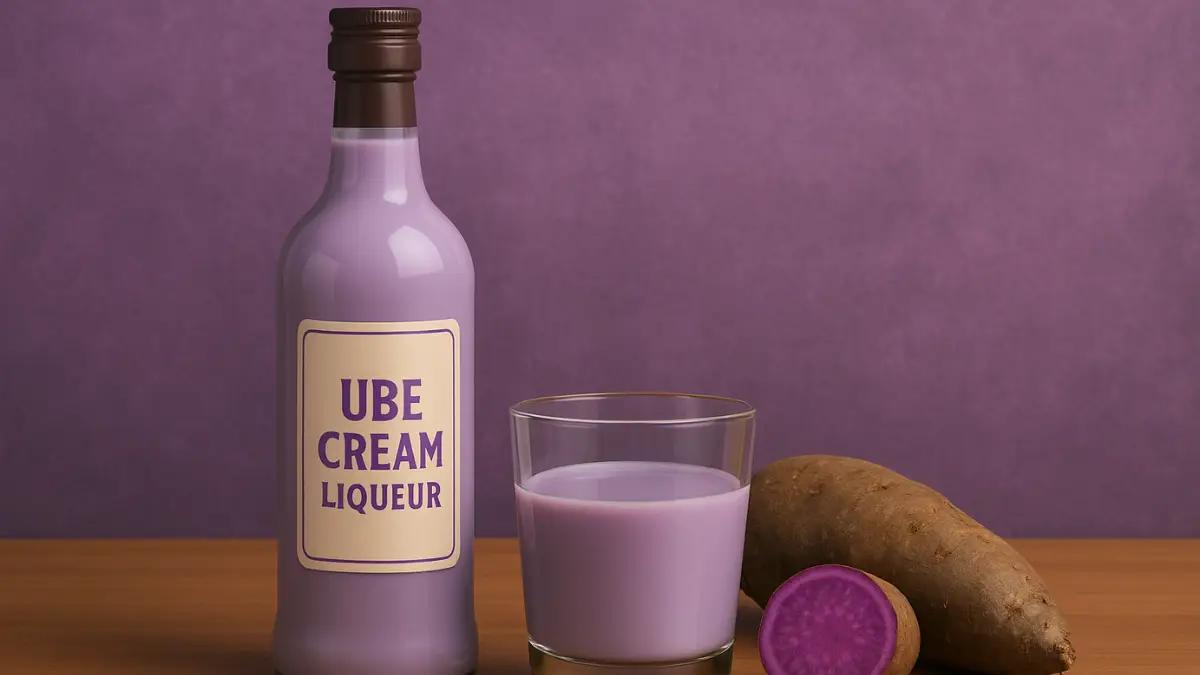
Ube cream liqueur marries the floral, nutty sweetness of purple yam with velvety dairy and subtle vanilla, so you’ll get a uniquely Filipino flavor that’s easy to enjoy; whether you’re stirring it into coffee, shaking it into cocktails, or sipping it neat, you’ll appreciate its versatile sweetness and creamy texture. You’ll learn about its origins, tasting notes, and simple ways to use it in your drinks and desserts so you can make the most of this trending spirit.
Key Takeaways:
- Ube cream liqueur mixes the earthy-sweet taste of purple yam with rich cream and hints of vanilla or coconut, delivering a silky, mildly sweet spirit that’s as eye-catching as it is tasty.
- It’s super versatile — enjoy it neat or on ice, stir it into coffee or milkshakes, or use it to twist classics like White Russians and dessert-forward cocktails.
- Rooted in Filipino flavors, the liqueur has become a social-media darling and is increasingly offered by artisanal and mainstream brands, so it’s easy to find whether you want something playful or more refined.
What Exactly is  ?
?
Think of a velvety liqueur made by blending purple yam (ube) purée or extract with dairy cream, sugar, and a neutral spirit to land around 15–20% ABV; the result is a vivid purple, sweet-spiced spirit that sits between a dessert and a mixer. You’ll see it sipped neat, poured over ice cream, or folded into cocktails and pastries, often borrowing texture and recipes from ube halaya and Filipino confections to amplify that unmistakable yam-forward profile.
A Unique Fusion of Flavors
You taste earthy, nutty yam at the front, rounded by vanilla, toasted coconut, and caramelized sugar, while cream smooths the mouthfeel into a lush, almost custardy finish. Producers balance sweetness so the ube’s floral, subtly nutty qualities aren’t lost, making the liqueur versatile for mixing—try it in an ube-white Russian, a milkshake-style cocktail, or paired with dark coffee to offset the syrupy notes.
The Filipino Twist on Cream-based Spirits
Ube cream liqueur reimagines the cream-liqueur template by centering a native ingredient: ube halaya often supplies texture and authentic flavor, while occasional additions like coconut milk or calamansi zest nod to Filipino pantry staples. Alcohol content and sweetness sit close to other cream liqueurs (15–20% ABV), but the purple yam shifts both aroma and culinary uses toward desserts like halo-halo, leche flan pairings, and pastry applications.
On the production side, some makers cook down ube with condensed milk for depth before emulsifying it into a neutral spirit and cream, while others use natural ube extract for consistency; dairy-free versions swap in coconut cream. For serving, you can chill and sip over ice or use 1.5 oz ube cream, 1 oz vodka, and 0.5 oz espresso to craft a vibrant ube espresso martini that highlights both sweetness and coffee bitterness.
Exploring the Ingredients and Flavor Profile
Key Ingredients that Define Ube Cream Liqueur
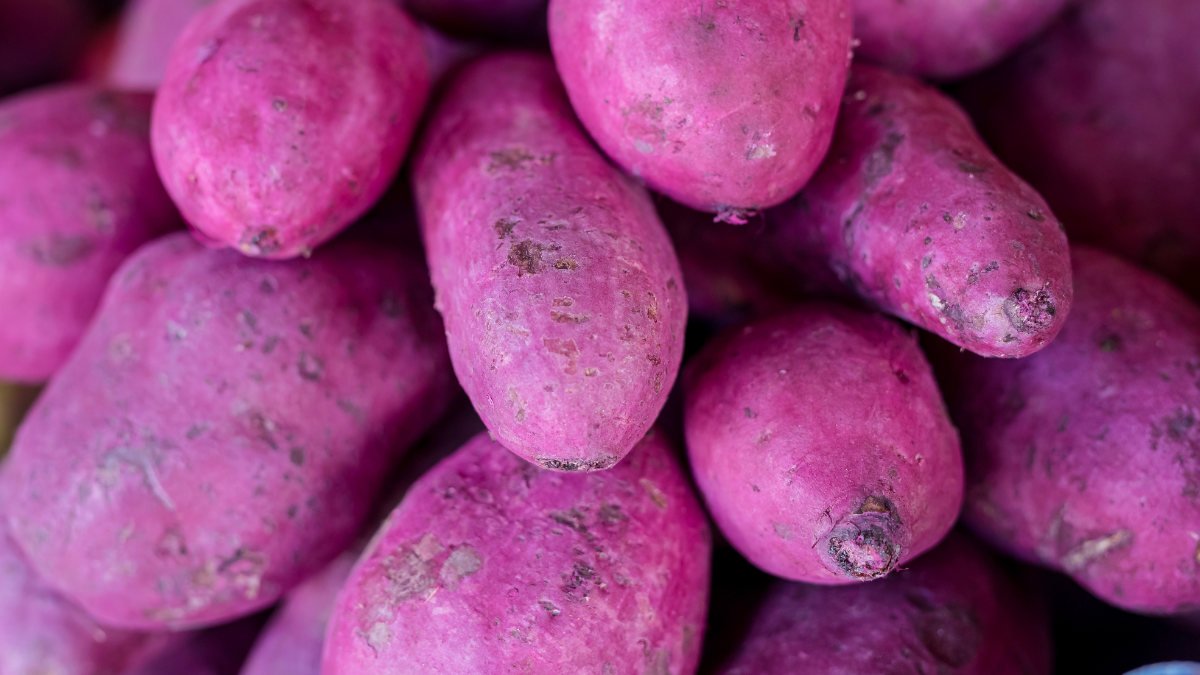
You’ll typically see three pillars: ube (often as ube halaya or cooked purée), a dairy base like cream or sweetened condensed milk, and a neutral spirit (vodka or light rum) blended to about 15–20% ABV. Producers add sugar, vanilla, and sometimes coconut milk or milk powder for stability. Artisanal recipes often use roughly 200–400 g cooked ube per liter of finished liqueur to achieve authentic color and flavor without artificial coloring.
Sensory Experience: Tasting Notes and Texture
The first impression is vivid violet color and a sweet, starchy aroma—think cooked purple yam with vanilla and a hint of coconut. On the palate you’ll taste deep ube sweetness, vanilla and caramelized sugar, with a warming 15–20% ABV finish comparable to Baileys (17% ABV). Mouthfeel is silky and slightly viscous, coating the tongue like a dessert cream.
Breaking it down, top notes are sugary and vanilla-forward, mid notes reveal earthy, nutty ube character, and base notes bring caramel and gentle spirit oak. Emulsification from cream and sometimes lecithin creates that stable, velvety texture; commercially bottled versions are pasteurized and, once opened, you should refrigerate and use within about six months for best flavor and safety.
Creative Ways to Savor Ube Cream Liqueur
Sip ube cream liqueur chilled, drizzle it over vanilla or coconut ice cream, or fold 30–45 ml into whipped cream for an instant ube frosting. Use it as a finishing splash on hot chocolate or stirred into your morning latte for a 10–15% sweeter profile. You can also freeze it into ice cubes for slow-melting drinks or blend 60 ml with frozen banana and milk for a purple milkshake that serves two.
Drink Ideas to Elevate Your Experience
Mix an Ube White Russian: 45 ml vodka, 30 ml ube cream liqueur, 15 ml cold brew for a creamy kick; shake and strain over ice. Try an ube espresso martini with 40 ml espresso, 30 ml ube liqueur, 20 ml coffee liqueur. For a dessert sip, pour 30 ml over two scoops of coconut ice cream (ube affogato). Use 15–30 ml as a swap for simple syrup in cocktails to add color and sweet yam notes.
Perfect Food Pairings for a Divine Encounter
Pair ube cream liqueur with coconut-based desserts like leche flan, buko pandan, or coconut macaroons to echo its creamy notes; try 70% dark chocolate or toasted macadamia to add bitterness and crunch. Bright fruits—mango, calamansi, or grilled pineapple—cut the sweetness and refresh your palate. For a savory twist, serve small bites of salty kesong puti or aged cheddar to play salty-and-sweet against the liqueur’s velvet texture.
Match by contrast and harmony: pair ube with acid (mango salsa, lime zest) for lift, fat (coconut cream, mascarpone) for richness, and bitter elements (dark chocolate, espresso) for balance. Plate a trio: a thin slice of leche flan, a square of 70% dark chocolate, and a spoonful of caramelized banana with a 30–45 ml pour alongside so you can taste how each element shifts the liqueur’s floral, nutty profile. Serve slightly chilled (10–14°C) to highlight aroma without muting sweetness.
Navigating the Market: Top Brands and Availability
Scan shelves and you’ll notice three clear sources: Philippine-made bottles, U.S. craft distillers, and seasonal releases from larger liqueur houses; most ube cream liqueurs sit around 15–20% ABV and retail between $20–$40 for 375–750 ml. You can expect greater selection in Metro Manila and major U.S. cities, while online retailers and specialty import shops fill gaps elsewhere.
Noteworthy Brands to Look For
Focus on labels that state “ube” or “purple yam” and list real ingredients; many standout offerings come from Manila boutique distillers and California-based craft brands, with a few established dessert-liqueur houses releasing limited ube editions. You’ll often see ABV in the 15–25% range and clear sourcing notes—those details usually point to higher-quality, less artificial-tasting bottles.
Where to Buy Ube Cream Liqueur Around the Globe
Filipino grocery chains like Seafood City, specialty liquor retailers such as Total Wine, and delivery platforms like Drizly or ReserveBar commonly stock ube cream liqueur; duty-free shops in Philippine airports also carry local favorites. Inventory tends to be strongest in Metro Manila, Los Angeles, New York, Toronto and London, so check city-specific retailers if you’re outside those hubs.
If you’re ordering online pay attention to shipping restrictions, taxes and minimum alcohol-order laws in your state or country, and look for 50–100 ml minis or cocktail kits if you want to sample before committing to a full bottle. Visiting Filipino bakeries, pop-ups or cocktail bars in your city can also score you a taste—many bartenders will tell you which local brands are worth buying.
Crafting Your Own Ube Cream Liqueur at Home
You can replicate that silky ube flavor by blending ube halaya with cream, sweetened condensed milk and a neutral spirit, aiming for roughly equal parts base to liquid; try steeping the mixture 24–48 hours so flavors marry, then strain and chill before serving to let color and aroma settle into a smooth, balanced liqueur.
Easy DIY Recipe to Try
Combine 1 cup ube halaya, 1 cup sweetened condensed milk, 1 cup heavy cream, 1 cup 80-proof vodka and 1–2 tbsp maple syrup; blend until perfectly smooth, pour into a sterilized 500 ml bottle, rest in the fridge 24 hours, then shake and taste—adjust sweetness or spirit up to 1/4 cup more for 18–22% ABV final strength.
- Use high-quality ube halaya for vivid color and authentic taste.
- Strain through a fine sieve for extra silkiness before bottling.
- Assume that flavor improves after a day or two as spices and alcohol integrate.
Storage Tips for Optimal Freshness
Store your liqueur in airtight glass bottles in the refrigerator at about 4°C (39°F); expect peak freshness for 2–3 weeks with dairy-based recipes, though clean bottling and higher alcohol can stretch that toward 6–8 weeks—always label bottles with the date you made them and give a quick sniff and stir before serving.
- Keep bottles away from light and temperature swings to prevent color fade.
- Shake gently before pouring to recombine any separated cream.
- Assume that freezing can alter texture and dull the bright ube notes.
For longer storage, pasteurize by warming the mixed liqueur to 60–65°C for 10 minutes then cooling quickly, which can extend refrigerated life; alternatively, split batches—one smaller bottle for immediate use and one sealed, higher-proof version (add 1/4–1/2 cup extra spirit) for extended keeping up to several months.
Ube Liqueur or Ube Cream Liqueur: What’s the Difference?
How they differ
Think of ube liqueur as concentrated purple-yam spirit—typically 20–30% ABV, clear or lightly viscous, high in sugar and ideal for cocktails, sauces, or baking—while ube cream liqueur blends that flavor with dairy or coconut cream, lowering ABV to about 15–20% and producing an opaque, silky texture you can pour over halo-halo, stir into coffee, or use in creamy cocktails. You should refrigerate cream versions and use within roughly 3–6 months after opening.
The Viral Trend: Why Ube Cream Liqueur is Taking Over
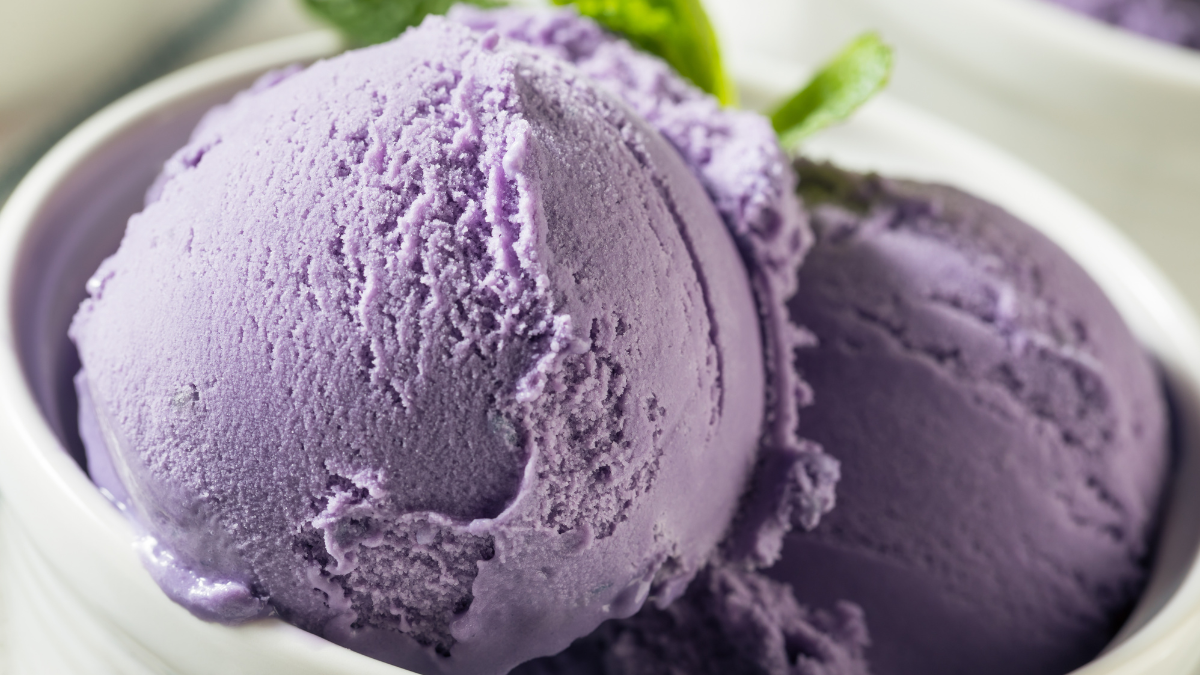
Bright purple visuals and a nostalgic, dessert-like flavor have turned ube cream liqueur into a must-try for bartenders and home mixologists alike; you spot it drizzled over ice cream, folded into martinis, and featured in limited-edition bottle drops that often sell out within days. Social-driven demand and crossovers with Filipino classics like ube halaya keep the spirit visible on menus from Manila to Los Angeles.
The Role of Social Media in Ube’s Popularity
Short-form video platforms turned ube into shareable eye candy: hashtags related to ube and ube desserts have pulled in hundreds of millions of views on TikTok and Instagram Reels, and you’ve likely seen creators demonstrating simple 30–45 ml pours or quick cocktail builds that rack up millions of views and directly boost sales for small-batch producers.
Captivating the Younger Generations
Younger drinkers gravitate to ube’s Instagram-ready color and sweeter profile, preferring lower-ABV, dessert-forward sips that fit brunch culture and weekend gatherings; bars report high demand for ube twists on classics like White Russians and espresso martinis, and you’ll find students and young professionals sharing DIY recipes online almost daily.
Bars in trend-forward cities are turning ube into seasonal menus and canned cocktails, and you can track the influence: creator-led recipes often spark local shortages of bottled ube liqueur and purple desserts. If you follow food and drink accounts, you’ll see the pattern—viral recipe → local bar adoption → sold-out product drops—fueling a feedback loop that keeps ube in the spotlight.
Frequently Asked Questions about Ube Cream Liqueur
Taste and Alcohol Content
Expect a sweet, velvety profile dominated by purple yam earthiness, vanilla, and light coconut or toasted nut notes; mouthfeel resembles cream liqueurs like Baileys. Most commercial ube cream liqueurs fall in the 15–20% ABV range, so you get noticeable warmth without overpowering alcohol. You’ll often use it neat over ice, stirred into coffee, or as a 1:1 swap for sweet cream in cocktails such as a ube White Russian.
Cooking and Baking Applications
Use ube cream liqueur to flavor custards, frostings, and batters—try 2 tablespoons in a 6-inch cake or 1/4 cup in a standard ice cream base for clear ube notes. Because it’s sweet and liquid, cut back on sugar by about 1–2 tablespoons for every 1/4 cup used and reduce other liquids slightly to preserve batter consistency. Alcohol will mellow with heat but can leave trace flavor and warmth.
For custards, temper the liqueur into warm milk and cook to 170–175°F to thicken without curdling; for ice cream, add the liqueur after tempering and chill fully before churning to prevent softening—1/4 cup per quart base is a good starting point. Baking at 325–350°F for typical cake times mostly dissipates alcohol, while mousses and no-bake cheesecakes retain more boozy lift, so adjust sugar and chilling times accordingly.
Where to Shop Online
Try large retailers like Total Wine, Drizly, ReserveBar, and Amazon for national availability, plus specialty Asian or Filipino grocers online for artisanal or imported bottles. Typical 750ml prices run roughly $25–45, with smaller 375ml options often $12–20. Check each seller’s shipping policy since state alcohol laws can limit interstate delivery; local pickup or marketplace sellers may expand your options.
Compare bottle sizes, ABV, and ingredient lists before buying; look for user reviews noting sweetness and real ube flavor versus artificial coloring. Seasonal or small-batch producers sometimes offer 200–375ml samplers—handy if you want to test different profiles—and holiday sales often drop prices 15–30%, so monitor retailers and consider local pickup to avoid shipping restrictions.
Final Words
Following this, you can see why ube cream liqueur has captured attention: its vibrant purple hue, mellow sweetness, and silky texture make it easy to sip solo or fold into cocktails and desserts. If you like exploring flavors, it’ll broaden your palate while honoring Filipino tradition. You’ll find it versatile, approachable, and indulgent—perfect for gifting or elevating an evening with friends.