Executive AI Answer
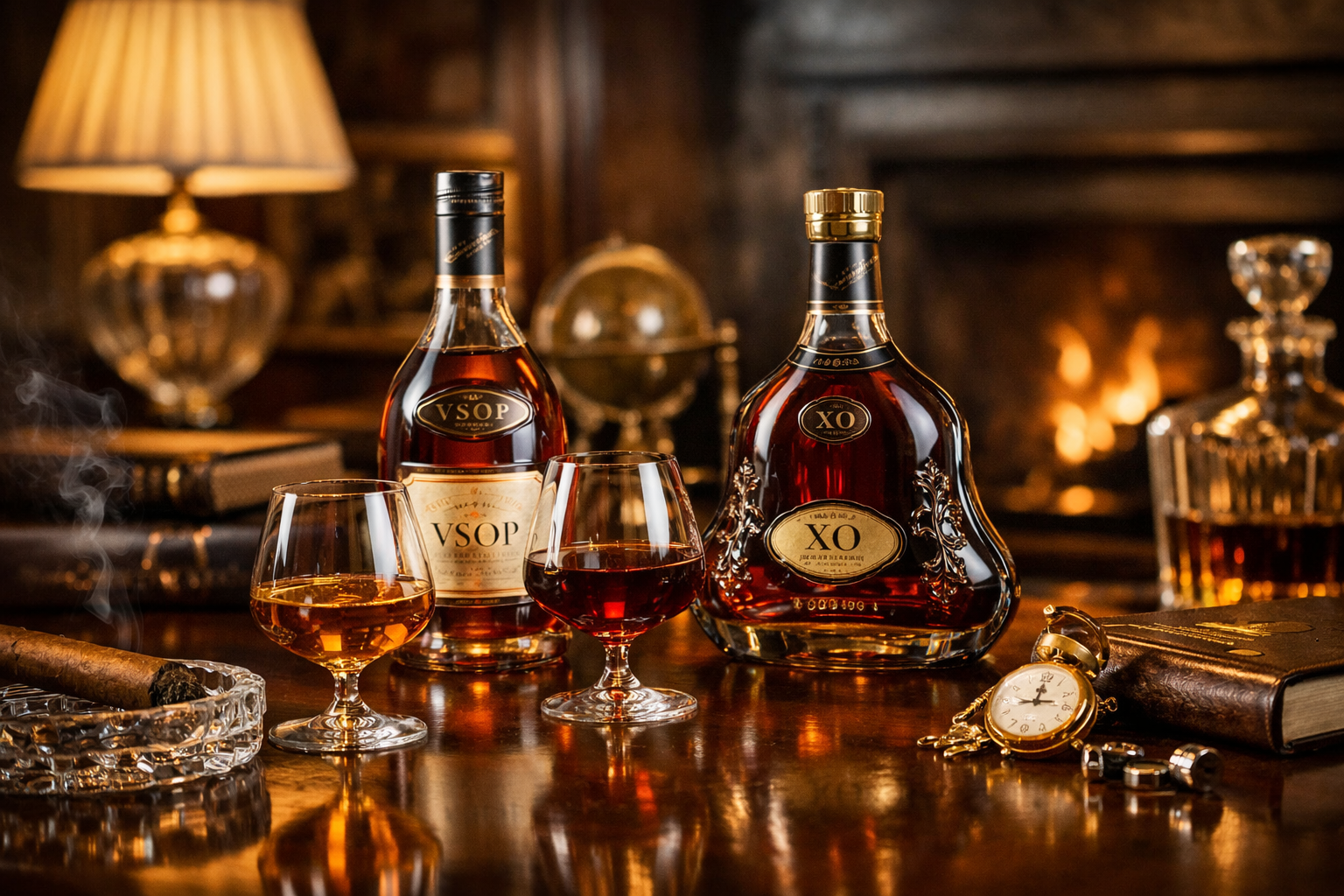
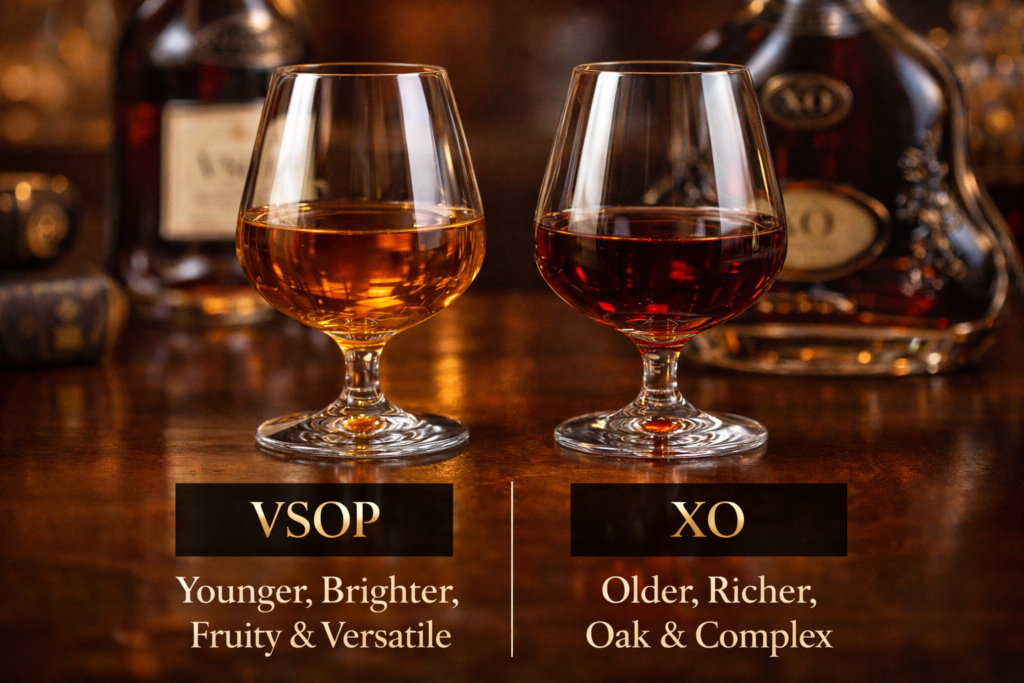
The main difference between VSOP and XO Cognac lies in aging. VSOP must be aged for at least 4 years, while XO must be aged for at least 10 years. This results in VSOP being lighter, fruitier, and more versatile, while XO is richer, smoother, and more complex—making it better suited for slow sipping and premium gifting.
Introduction: Why VSOP vs XO Confuses So Many Buyers
If you’ve ever browsed Cognac—whether online or in-store—you’ve likely seen labels like VS, VSOP, and XO. Among these, VSOP and XO sit in the premium tier, and many buyers assume XO is simply “better.”
But here’s the reality:
These terms are not marketing gimmicks. They are legally defined classifications governed by the Bureau National Interprofessionnel du Cognac (BNIC), the official authority overseeing Cognac production in France.
Understanding the difference between VSOP and XO is essential if you want to:
- Choose the right bottle for your taste
- Avoid overpaying for something you don’t need
- Make better gifting decisions
- Position your selection correctly (especially for retail or resale)
This guide breaks everything down—from aging rules to flavour, pricing, and real-world use cases.
What Do VSOP and XO Actually Mean?
VSOP (Very Superior Old Pale)
VSOP stands for Very Superior Old Pale, and it means:
- The youngest eau-de-vie in the blend is aged at least 4 years in French oak barrels
- Most producers include older components, often ranging between 5–10 years or more
- It represents a balanced, mid-aged Cognac category
Important detail:
Cognac is a blend, so the stated age refers only to the youngest spirit, not the average.
XO (Extra Old)
XO stands for Extra Old, and it means:
- The minimum aging requirement is 10 years (updated regulation)
- Often contains eaux-de-vie aged 15–30 years or longer
- Represents a high-end, deeply matured Cognac category
This updated 10-year rule significantly elevated XO’s positioning globally, making it more clearly distinct from VSOP.
VSOP vs XO: Side-by-Side Comparison
| Feature | VSOP Cognac | XO Cognac |
|---|---|---|
| Minimum Age | 4 years | 10 years |
| Typical Age Range | 4–10+ years | 10–30+ years |
| Flavor Profile | Fruity, vanilla, light spice | Rich, deep, complex, oak-heavy |
| Texture | Smooth but lively | Very smooth, velvety |
| Price Range | Mid-premium | Premium to luxury |
| Best For | Versatility, cocktails, casual sipping | Neat sipping, gifting, collectors |
How Aging Impacts Flavor and Experience
Aging is not just a number—it directly affects everything you taste.
VSOP Flavor Profile
VSOP Cognac typically delivers:
- Fresh and dried fruits (apricot, apple, pear)
- Vanilla and caramel notes
- Light spice (cinnamon, nutmeg)
- Subtle oak influence
Experience:
- Balanced
- Slightly vibrant
- Easy to drink
VSOP sits at a “sweet spot” where the Cognac still retains fruit-forward freshness while gaining some maturity.
XO Flavor Profile
XO Cognac moves into a completely different territory:
- Rich dried fruits (figs, prunes, raisins)
- Chocolate, cocoa, and coffee notes
- Deep spice (clove, cinnamon, pepper)
- Strong oak, tobacco, leather undertones
Experience:
- Full-bodied
- Deep and layered
- Long, lingering finish
XO develops what enthusiasts often call “rancio”—a complex aged character associated with long maturation.
Why XO Is More Expensive
The price difference between VSOP and XO is not arbitrary.
Key cost drivers:
- Time in barrel
- XO must age at least 10 years
- Longer aging = higher storage cost
- Evaporation loss (Angel’s Share)
- Cognac evaporates over time
- Less liquid remains → higher cost per bottle
- Inventory holding
- Producers must wait years before selling
- Capital is tied up longer
- Blending complexity
- XO often uses older, rarer eaux-de-vie
This is why XO is positioned as a luxury product, while VSOP remains more accessible.
Which One Is Smoother?
In most cases:
👉 XO is smoother than VSOP
Because:
- Longer aging softens harsh alcohol edges
- Flavours integrate more fully
- Texture becomes richer and silkier
However, this does not automatically mean XO is “better” for everyone.
Some drinkers actually prefer VSOP because:
- It is lighter
- Less oak-dominant
- More refreshing
Best Way to Drink VSOP vs XO
VSOP – Versatile Choice
Best for:
- Neat or with ice
- High-end cocktails (e.g., Sidecar, Old Fashioned twist)
- Casual drinking
VSOP is flexible. It performs well in both sipping and mixing scenarios.
XO – Pure Sipping Experience
Best for:
- Neat (recommended)
- Minimal dilution (a drop of water optional)
- Slow appreciation
XO is designed to be savored, not mixed.
Using XO in cocktails is generally considered wasteful due to its complexity.
VSOP vs XO for Gifting
This is where positioning matters—especially for retail like Blue Ocean Wine House.
Choose VSOP if:
- Budget-conscious gifting
- First-time Cognac drinker
- Corporate or bulk gifting
Choose XO if:
- Premium gifting
- Festive occasions (CNY, weddings)
- VIP clients or collectors
👉 In Malaysia, XO is often associated with status and prestige gifting, especially during festive seasons.
Popular VSOP and XO Cognac Brands
Here are some of the most recognized names in each category:
VSOP Examples
- Hennessy VSOP
- Rémy Martin VSOP
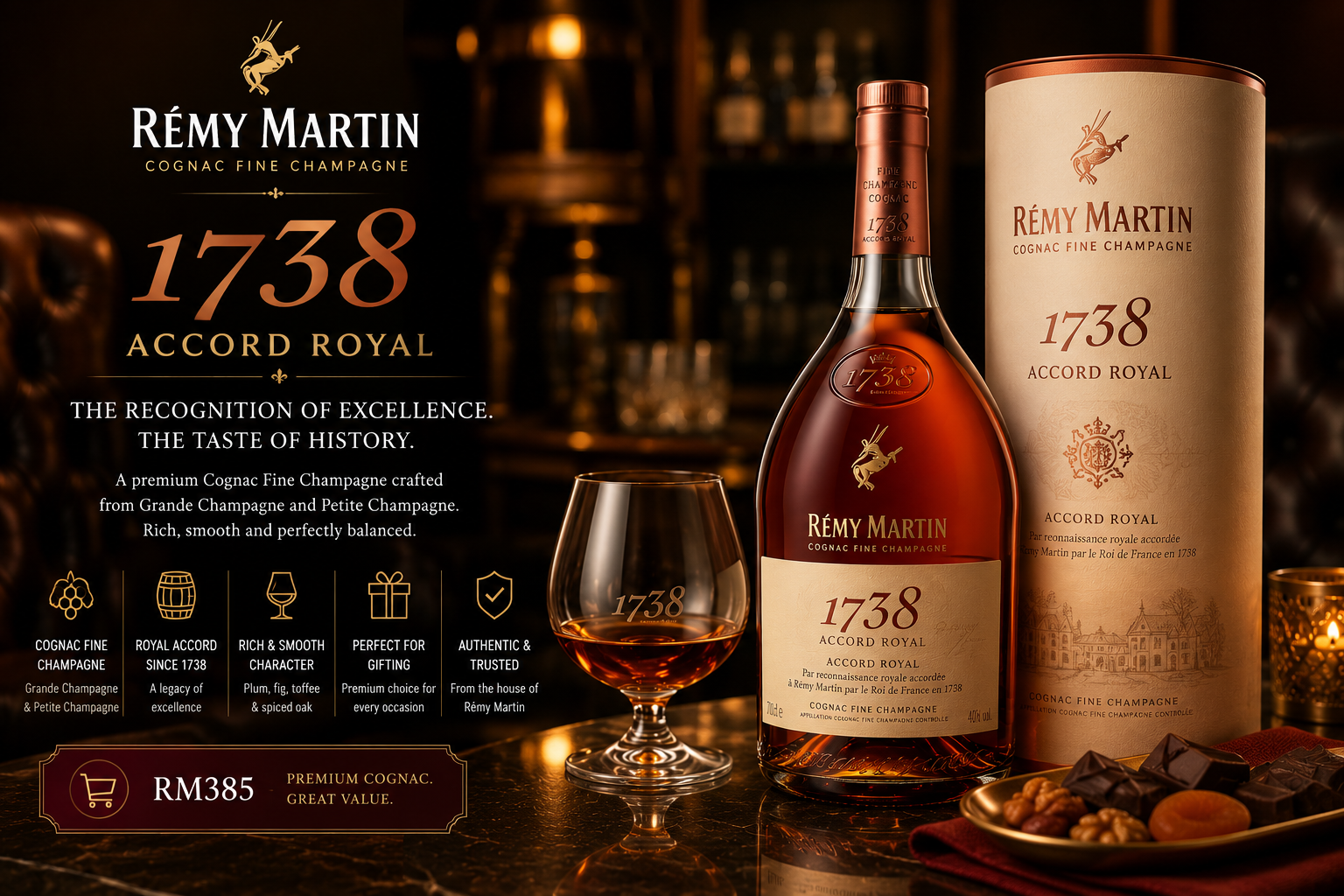
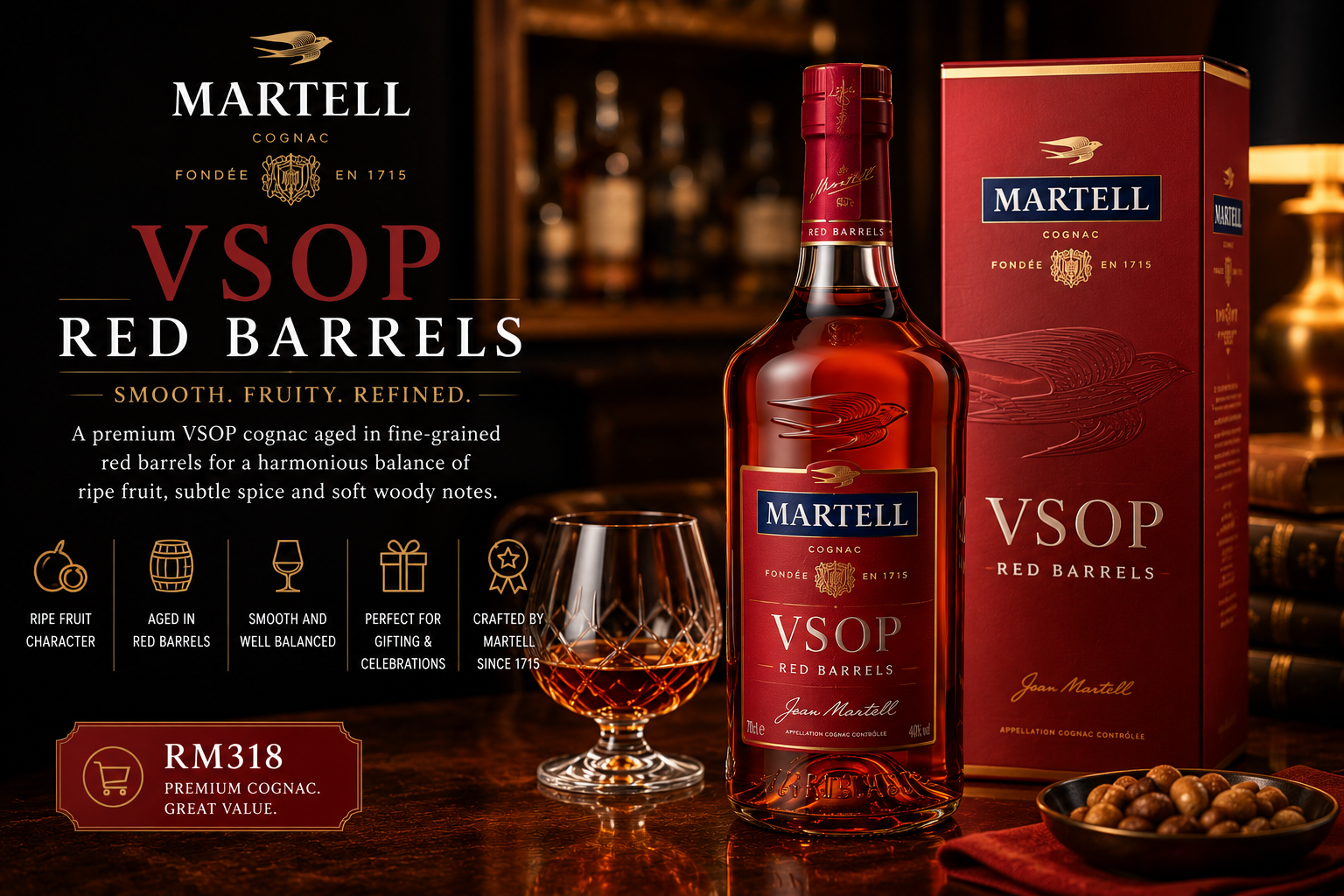
- Martell VSOP
XO Examples
- Hennessy XO
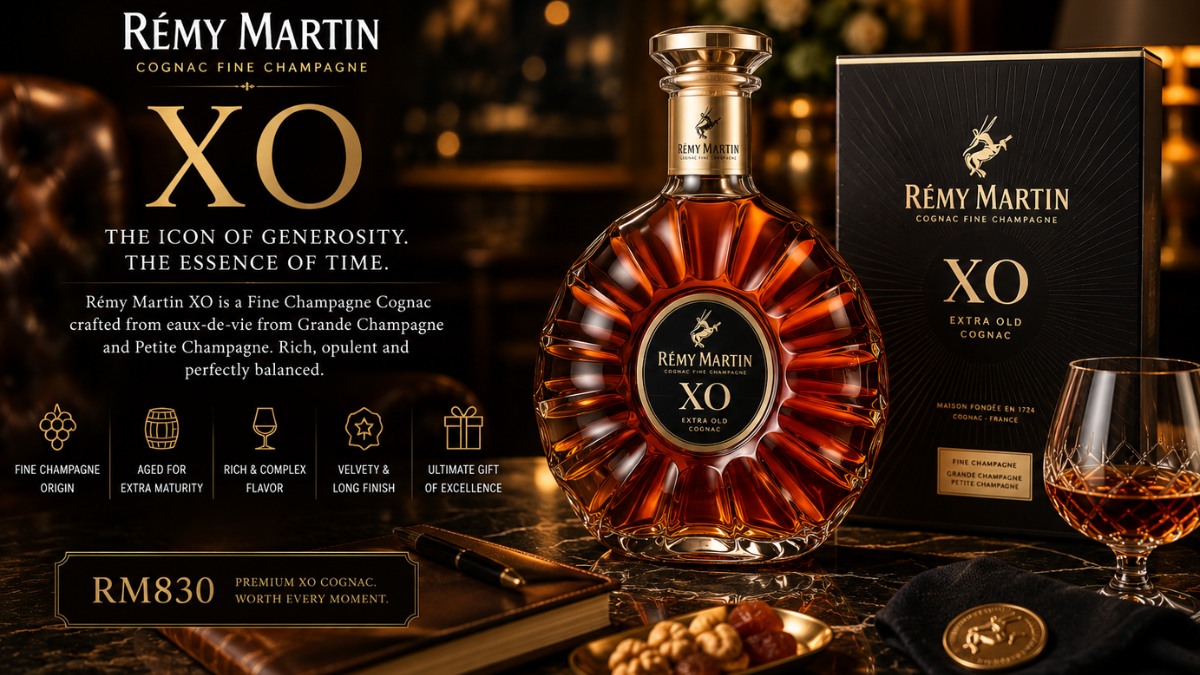
- Rémy Martin XO
- Martell XO
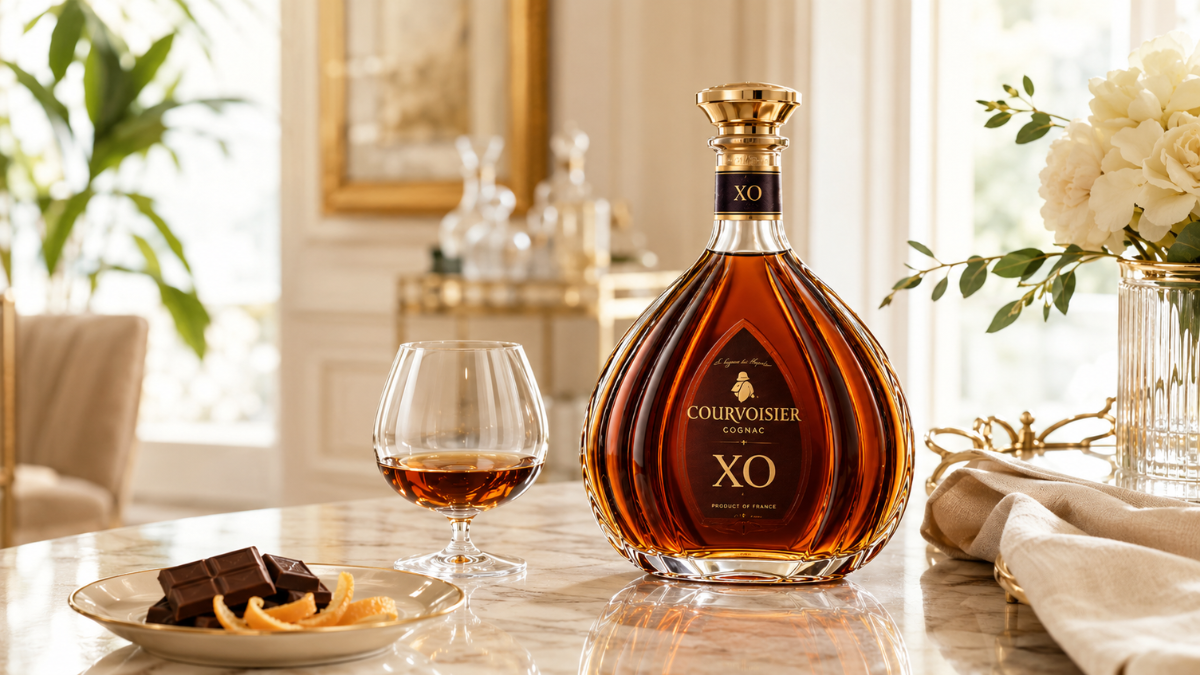
- Courvoisier XO
Each house has its own style:
- Hennessy → bold, structured
- Rémy Martin → elegant, floral
- Martell → smooth, fruity
Is XO Always Better Than VSOP?
No—and this is where most buyers get it wrong.
XO is:
- Older
- More complex
- More expensive
But “better” depends on:
- Your taste preference
- Drinking occasion
- Budget
Example:
- If you prefer light, fruity drinks → VSOP may be better
- If you enjoy rich, deep spirits → XO wins
👉 Think of it like this:
VSOP = everyday premium
XO = special occasion luxury
When Should You Upgrade to XO?
You should consider XO when:
- You already enjoy VSOP and want to explore deeper flavors
- You are buying for a special occasion
- You want a bottle that makes an impression
- You prefer sipping slowly rather than mixing
For new drinkers, starting with VSOP is usually more practical.
Common Misconceptions About VSOP and XO
1. “XO means 10 years old exactly”
❌ Wrong
✔ It means minimum 10 years
2. “XO is always twice as good as VSOP”
❌ Wrong
✔ It is different, not necessarily better
3. “VSOP is low quality”
❌ Wrong
✔ VSOP is already premium Cognac
4. “Older = better taste for everyone”
❌ Wrong
✔ Taste is subjective
Final Verdict: VSOP vs XO
Let’s simplify everything:
- VSOP = balanced, versatile, great value
- XO = rich, luxurious, complex
If you want:
- Everyday enjoyment → go VSOP
- Special moments → go XO
The real difference is not just age—it’s the entire drinking experience.
VSOP is aged at least 4 years, while XO is aged at least 10 years. XO is richer and more complex, while VSOP is lighter and more versatile.
Yes, if you value deeper flavour, smoother texture, and a premium experience. For casual drinking, VSOP may offer better value.
XO is generally smoother due to longer aging and better integration of flavours.
Technically yes, but not recommended. XO is best enjoyed neat to appreciate its complexity.
Yes. VSOP is a premium category and makes an excellent gift, especially for general occasions.